Owning a Cabin in Rim Country? An Insurance Checklist for Seasonal & Second Homes
A rim-country cabin is one of the best things a person can own — a place in the pines to escape the valley heat, gather the family, and slow down. But the cabin you leave for weeks or months at a stretch is a genuinely different risk than the house you live in every day, and standard homeowners coverage bought without a second thought can leave you badly exposed. Here is the checklist we walk cabin owners through, whether the place is a weekend getaway, a snowbird summer home, or a second home you are holding for retirement.
Seasonal and Second Homes Aren't Just "Homes"
The first thing to understand is that insurers treat a home you do not occupy full-time differently from your primary residence. A cabin used seasonally, or a second home that sits mostly empty, carries a different risk profile — nobody is there to catch a leak, a break-in, or a furnace failure before it becomes a catastrophe. That changes what policy fits and what it costs.
Sometimes the right answer is a dedicated seasonal or secondary-home policy rather than trying to stretch a standard homeowners form over a part-time cabin. A seasonal policy is written with the empty stretches in mind. In other cases a standard homeowners policy with the right endorsements works fine. The point is that occupancy has to be disclosed honestly and matched to the right product — because the wrong match is a claim-denial trap.
The Vacancy Trap
Here is the exclusion that catches cabin owners more than any other: vacancy provisions. Most homeowners policies reduce or suspend certain coverages once a home has sat vacant beyond a set number of consecutive days — commonly around 30 or 60, depending on the carrier and form. Vandalism, glass breakage, water damage, and theft are among the coverages that can drop away when a home is deemed vacant.
The trouble is that a rim-country cabin closed up from October to May can drift right into that vacant window without the owner ever thinking about it. If a pipe bursts in February and the cabin has been empty for four months, a standard policy may treat the claim very differently than it would at an occupied home.
There is also a distinction insurers draw that matters here:
- Unoccupied — furnished and ready to use, just nobody is currently there. A seasonal cabin between visits is usually unoccupied.
- Vacant — empty of people and substantially empty of contents, like a place cleared out and waiting to sell.
Getting the occupancy right on the policy, and choosing a form built for the way you actually use the cabin, is how you avoid the vacancy trap. This is exactly the conversation to have with an independent agent who knows seasonal properties.
Winter, Freeze, and Burst Pipes
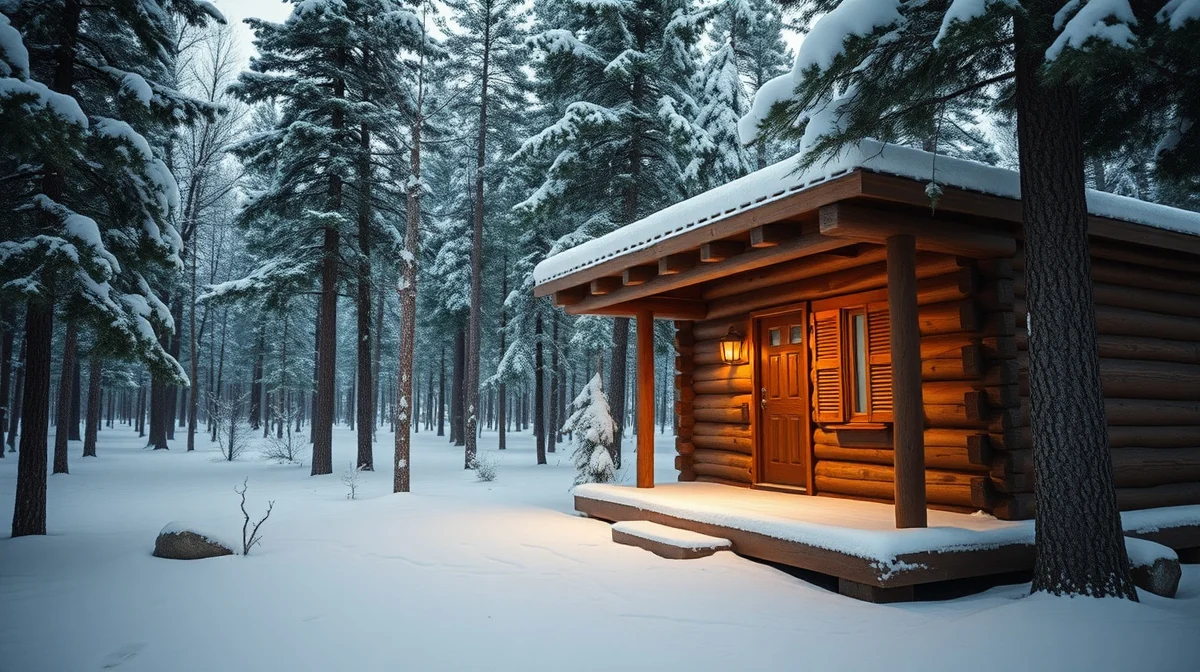
At 7,000-plus feet with hard rim-country winters, the number-one off-season claim is water from frozen and burst pipes. A pipe that freezes, splits, and then thaws while nobody is home can run for days and destroy floors, walls, and cabinets before anyone notices.
Two things protect you here — and they work together:
- Winterize properly. Drain the plumbing or keep the heat on with reliable monitoring, insulate exposed pipes, shut off and drain exterior spigots, and keep the propane topped up if the furnace is your freeze protection.
- Understand your policy's freeze language. Many policies require you to have either maintained heat or shut off the water and drained the system to cover a freeze loss at a home left unattended in winter. If you neither kept the heat on nor drained the pipes, a freeze claim can be denied. Know your carrier's exact requirement before you close the cabin up.
A low-cost temperature monitor that texts you when the cabin drops below a set point pays for itself the first winter. Several carriers look favorably on monitored systems, and some offer credits.
Log Cabins and Non-Standard Construction
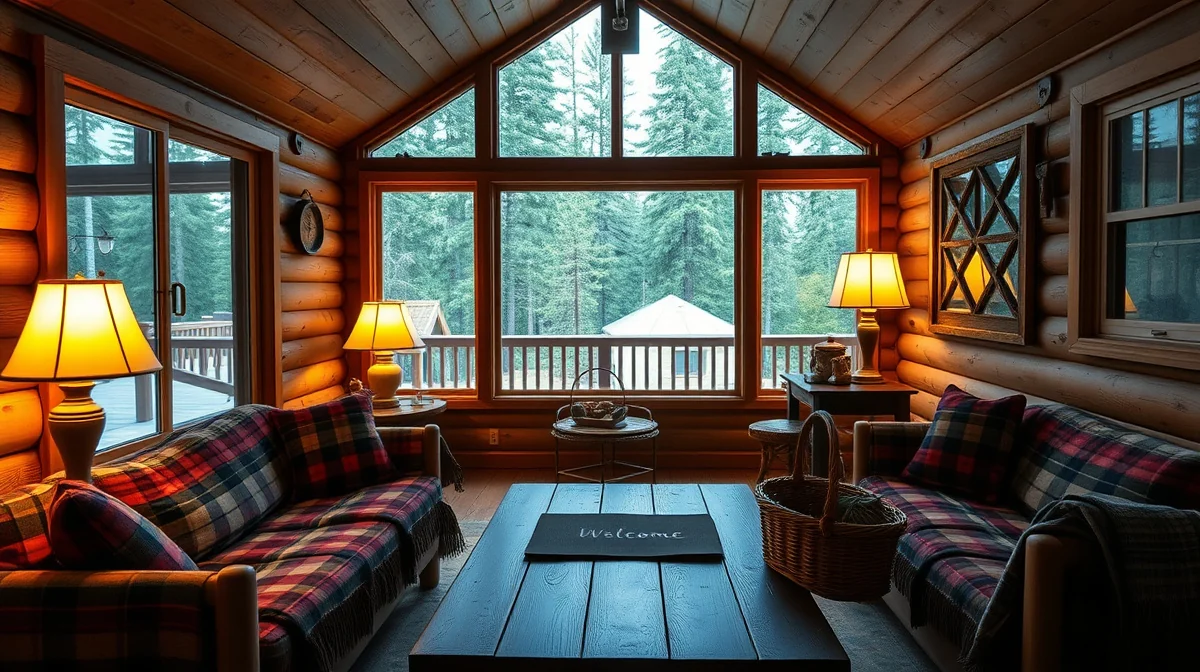
Plenty of rim-country cabins are log-built, timber-framed, or otherwise what carriers call "non-standard construction." Some are off-grid, on well and septic, with wood heat. Standard homeowners rating assumes standard stick-frame construction, so a true log home can be harder to place and needs a carrier that understands it.
Log construction affects the rebuild cost too — replacing hand-scribed logs or specialty timber is not the same as framing a tract house, and the dwelling limit has to reflect that. Insure it on a replacement-cost basis with a limit that matches what it would actually cost to rebuild your specific cabin, not a generic calculator's guess. An independent agent can reach the carriers who write log and unique-construction homes without penalizing you for the very thing that makes the cabin special.
Snow Load and the Rim-Country Extras
Rim-country winters pile real snow on a roof, and snow load is a genuine structural risk — the weight of accumulated snow and ice can damage a roof or, in a bad year, collapse an under-built or under-maintained structure. Roof damage from the weight of ice and snow is a covered peril on most homeowners policies, but keeping the roof in good shape and clearing dangerous accumulation is part of your end of the deal. Older cabins and add-on porches or carports are the usual weak points.
While you are thinking about the cabin, do not forget the rest of the property:
- Detached structures — the garage, woodshed, pump house, and well equipment. Confirm they are covered and adequately limited.
- Wildlife damage — elk, deer, and bears are real up here. Sudden animal damage to the structure is generally covered; know the limits.
- Wildfire — a seasonal cabin in the pines carries the same high fire-risk rating as a full-time home, and the same rebuild-cost concerns. See our rim-country wildfire guide for the full picture.
Keeping a Cabin Insurable: Monitoring and Caretaker Checks
The best way to keep a seasonal cabin both safe and insurable is to make sure it is not truly unwatched. Carriers — and common sense — favor a cabin someone lays eyes on regularly.
- Set up periodic checks. A caretaker, neighbor, or property manager who walks the cabin on a schedule can catch a leak, a critter intrusion, or a failed furnace before it becomes a five-figure claim.
- Use remote monitoring. Temperature sensors, water-leak detectors, and a monitored security system are cheap insurance against expensive surprises, and they help at renewal.
- Keep it maintained. A tidy, cleared, well-kept cabin with good defensible space reads as a better risk than a neglected one.
- Disclose the caretaker arrangement. If someone checks the place regularly, tell your agent — it can matter for both coverage and pricing.
Frequently Asked Questions
Is seasonal or second-home insurance more expensive than a primary-home policy?
It often costs more per dollar of coverage than a primary residence, because a home that sits empty part of the year carries higher risk — no one is there to catch problems early. That said, the right seasonal policy can be very reasonable, and an independent agent shopping multiple carriers can find the company that rates seasonal rim-country cabins most favorably. The bigger cost is getting it wrong: a mismatched policy that denies a claim.
What happens to my coverage if the cabin sits vacant all winter?
Most policies reduce or suspend certain coverages — vandalism, theft, glass, and some water damage — once a home is vacant beyond a set period, often around 30 to 60 days. A cabin closed up from fall to spring can drift into that window. The fix is matching the policy to how you actually use the cabin and disclosing the occupancy honestly, so you are not relying on coverage that has quietly switched off.
Can you insure a log cabin or other non-standard construction?
Yes, but it takes a carrier that understands log and timber construction and prices the rebuild correctly. Standard rating assumes stick-frame homes, so a true log cabin needs the right market and a dwelling limit that reflects what it would actually cost to rebuild. This is where independent-agent access pays off.
Will my policy cover a burst pipe if no one was there?
It depends on the freeze language in your policy. Many carriers only cover a freeze loss at an unattended home if you either maintained heat or shut off and drained the water system. If you did neither, the claim can be denied. Winterize properly, use a temperature monitor, and confirm your carrier's exact requirement before you close the cabin for the season. Call us at 844-967-5247 and we will review your cabin policy line by line.
Want this handled by a local agent?
One application, multiple markets compared — including the specialty carriers that write the pines.